This site uses cookies for analytics and to improve your experience. By clicking Accept, you consent to our use of cookies. Learn more in our privacy policy.
The Magic of Miniature: Why Creating a Fairy Garden is Good for Your Soul
The Magic of Miniature: Why Creating a Fairy Garden is Good for Your Soul
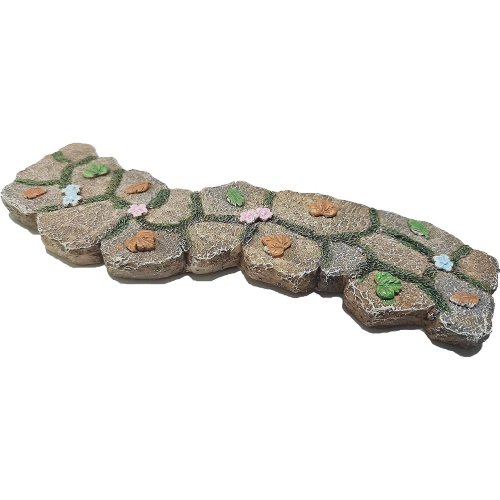
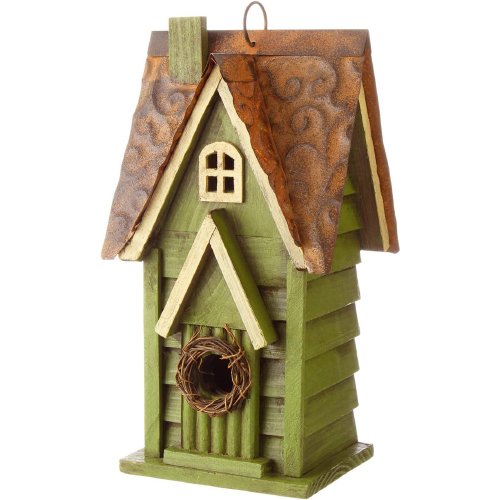
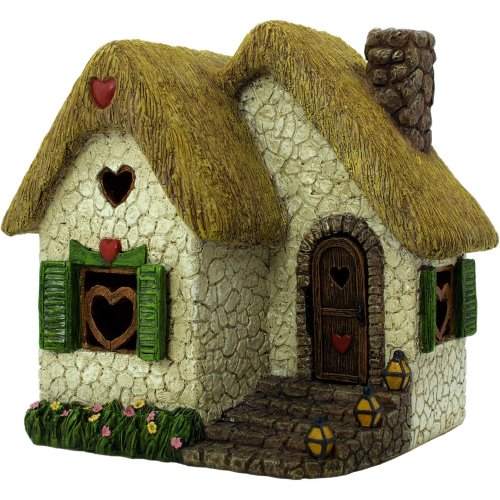
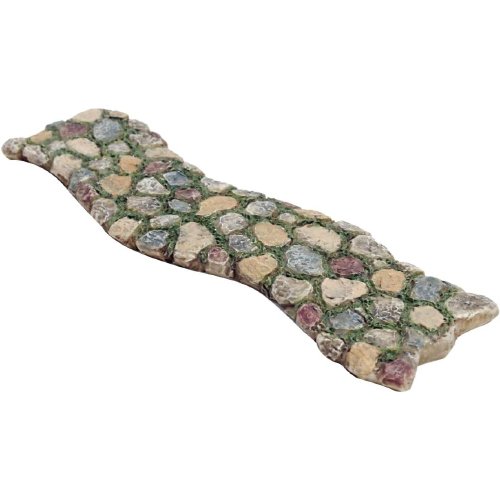
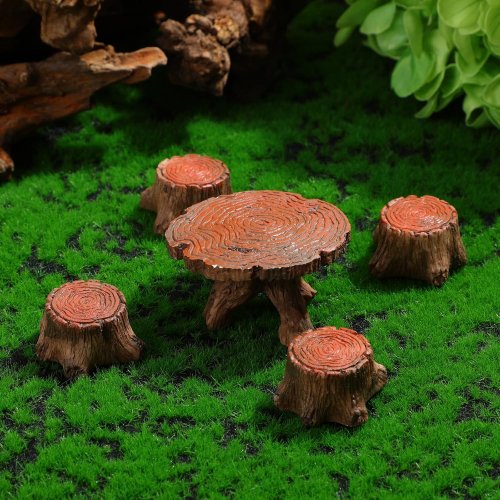
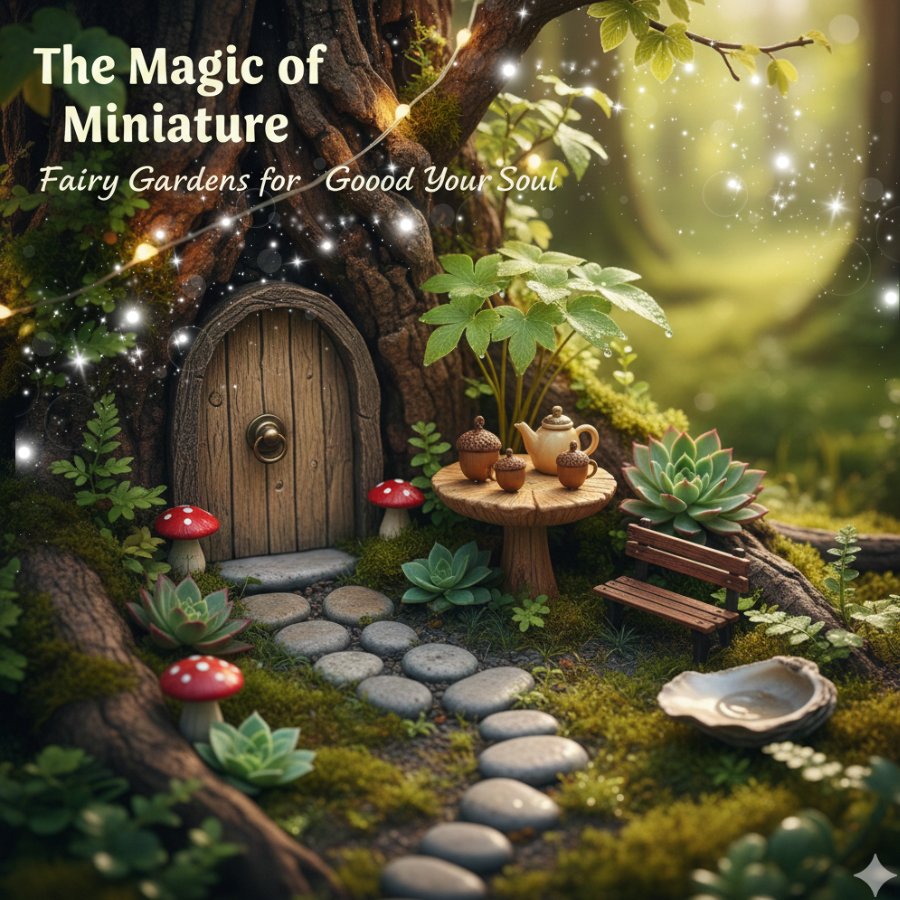
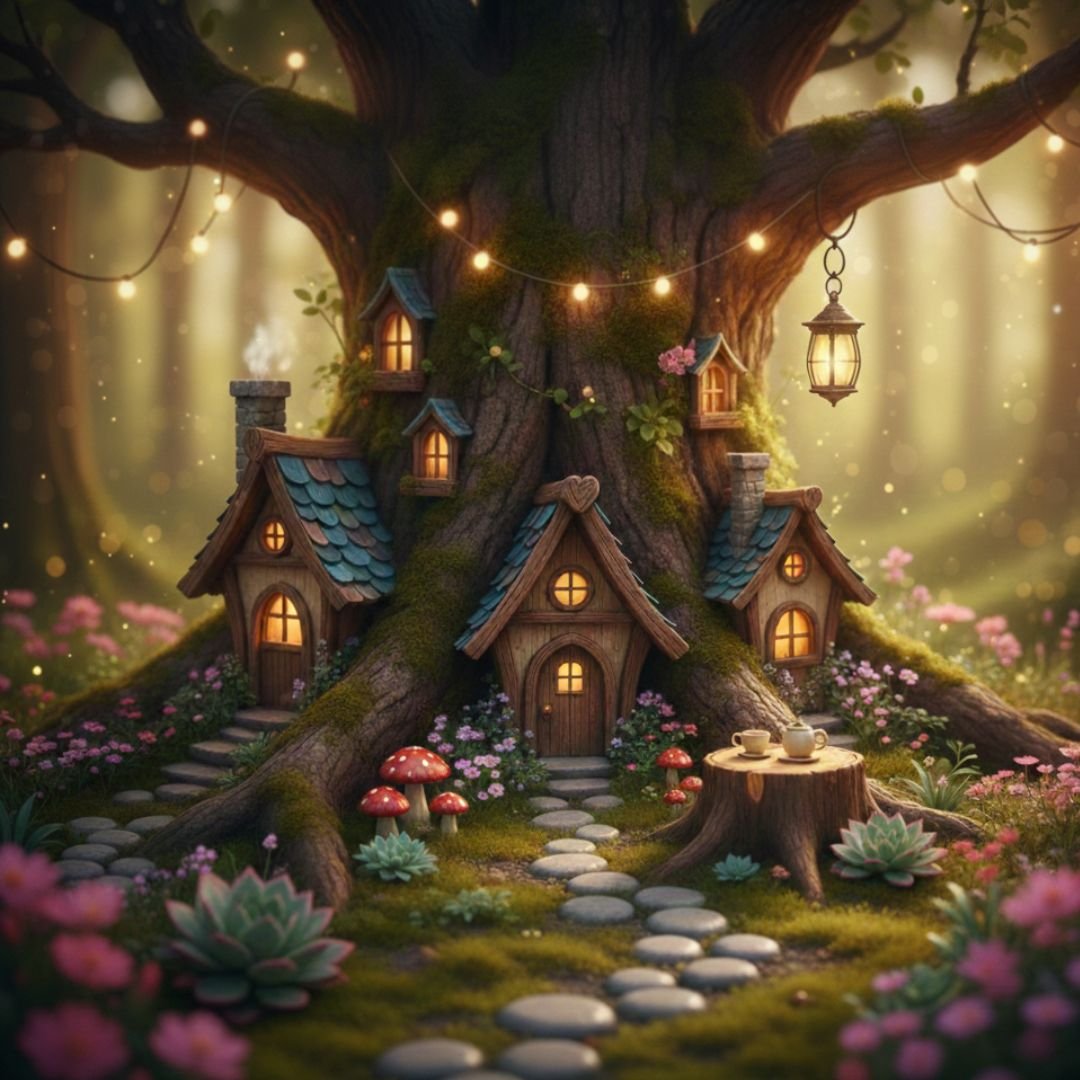
There’s something undeniably enchanting about peering into a tiny world where toadstools serve as tables and acorn caps become teacups. Fairy gardens—those whimsical miniature landscapes dotted with diminutive furniture, winding pebble paths, and perhaps a tiny door nestled against a tree trunk—have captivated gardeners of all ages. But beyond their obvious charm, these pint-sized paradises offer surprisingly meaningful benefits for our mental health, creativity, and connection to nature.
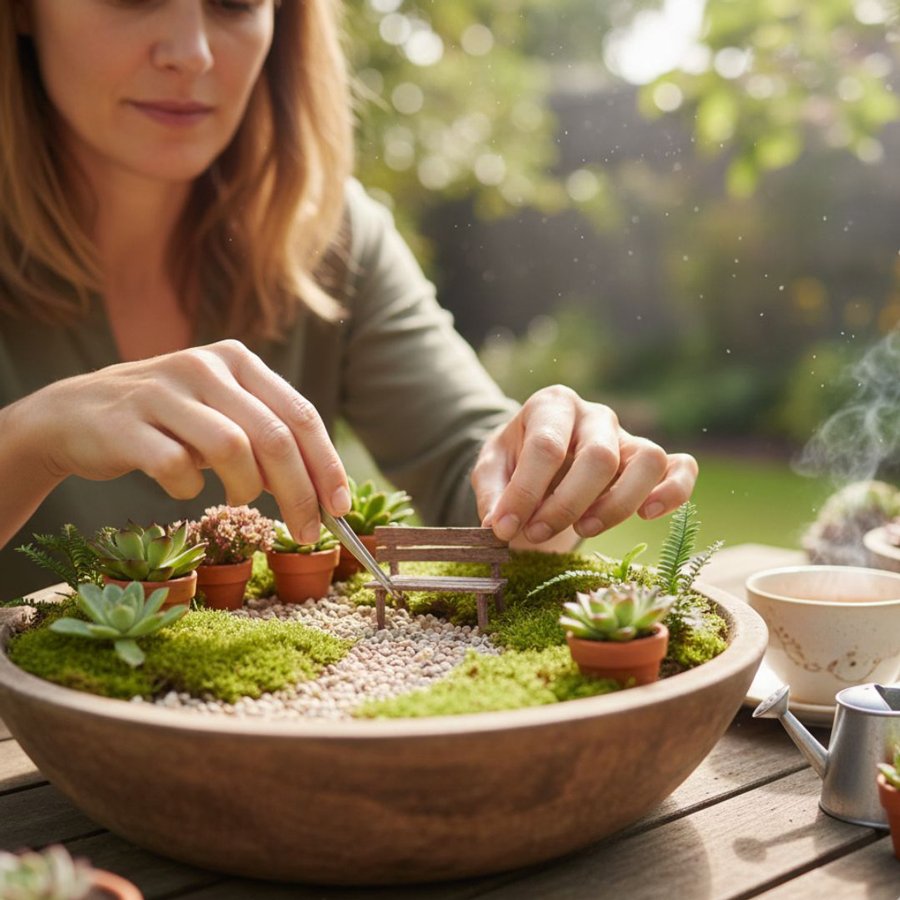
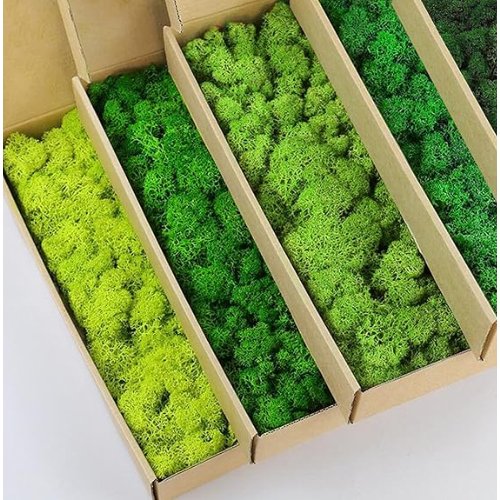
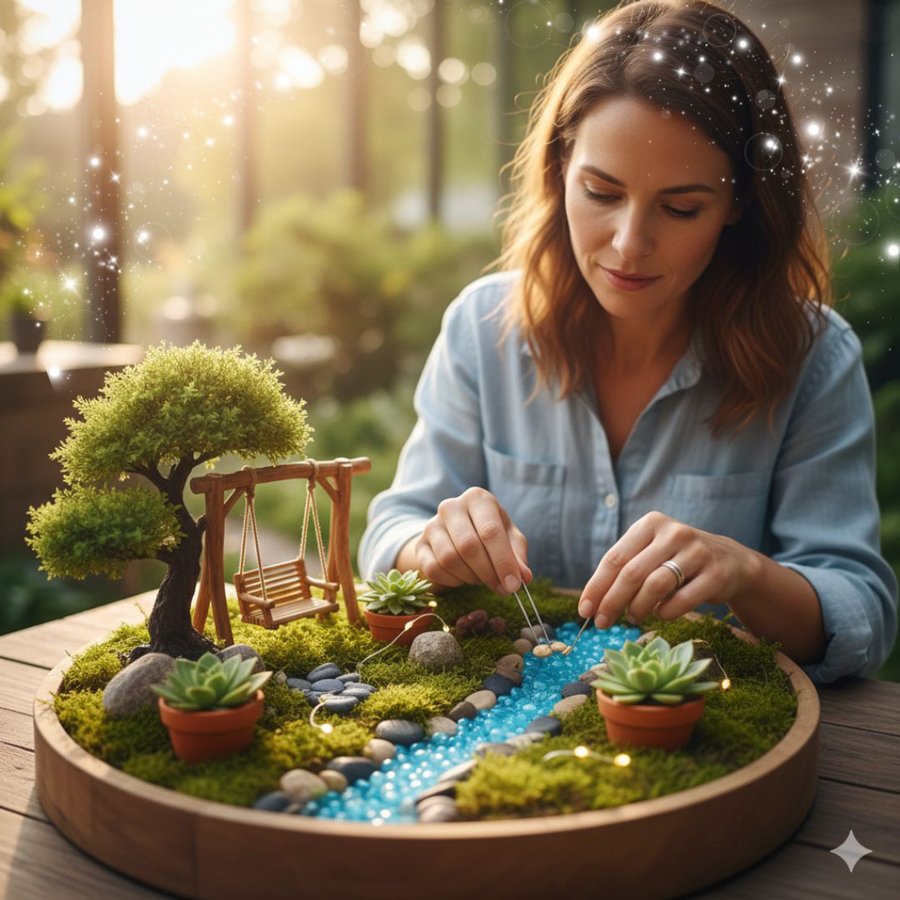
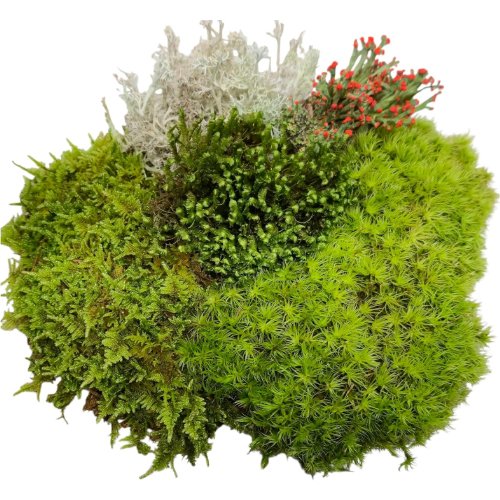
In our screen-saturated lives, fairy gardens offer a rare invitation to slow down. Creating one demands attention to tiny details: the angle of a miniature bench, the placement of moss to suggest a lush lawn, the careful selection of plants that will stay proportionate to your tiny world. This focused attention acts as a form of active meditation, pulling your mind away from worries and anchoring it firmly in the present moment.
The maintenance of a fairy garden continues this mindful practice. Trimming plants that have grown too enthusiastic, repositioning elements after a rainstorm, or simply sitting beside your creation with a cup of tea—these small rituals become pocket-sized retreats from daily stress.
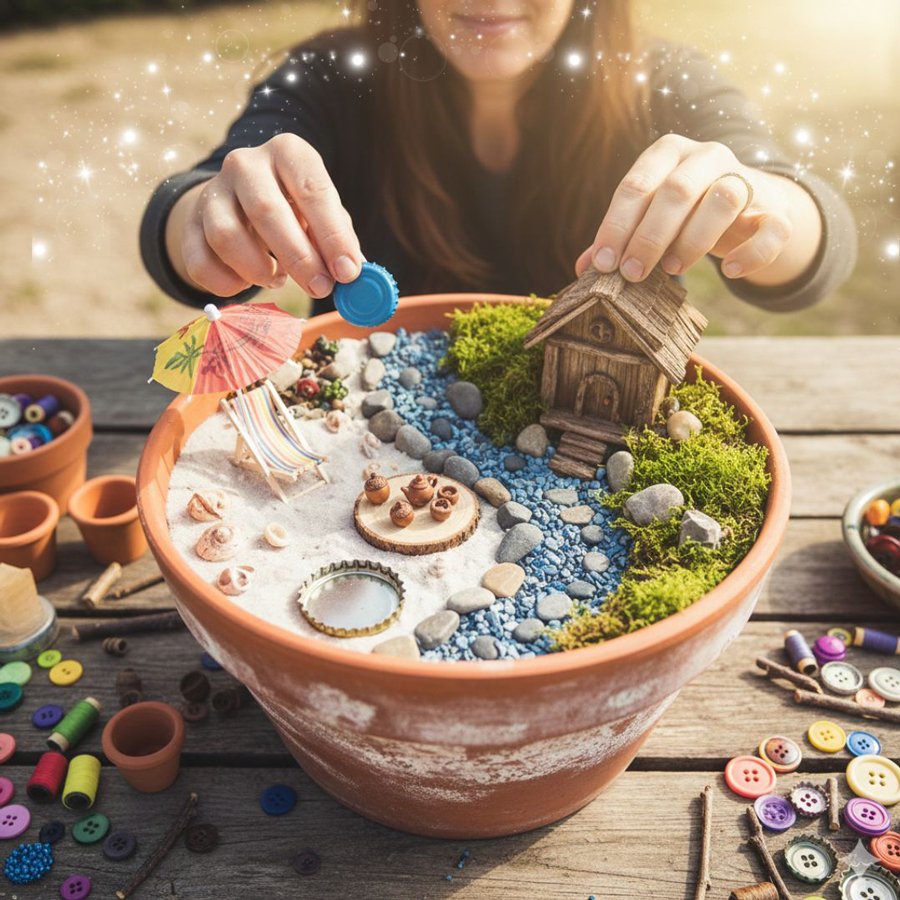
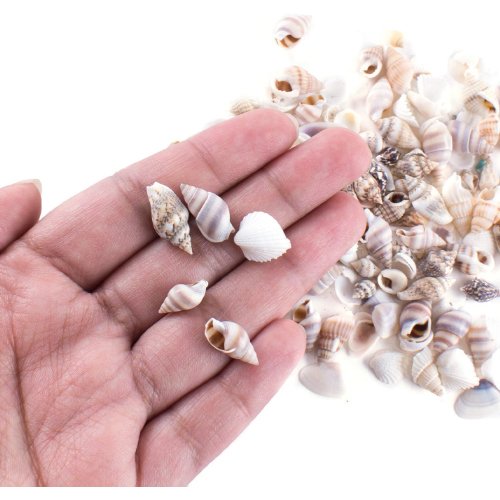
When was the last time you gave yourself permission to play? Fairy gardens remove the pressure of “serious” gardening and invite pure imaginative joy. Should your fairy cottage sit beside a beach made of sand and shells, or in a forest clearing surrounded by moss-covered stones? Will your garden tell the story of a fairy tea party or a woodland workshop?
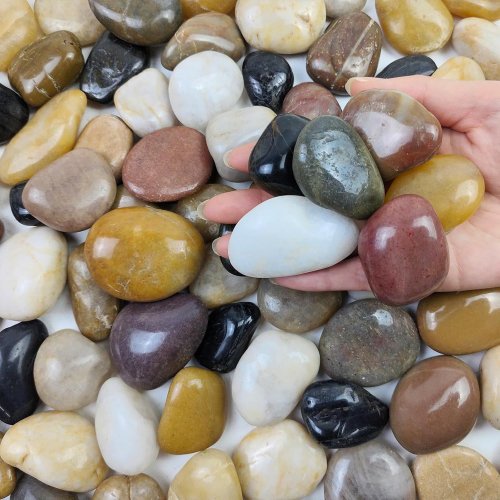
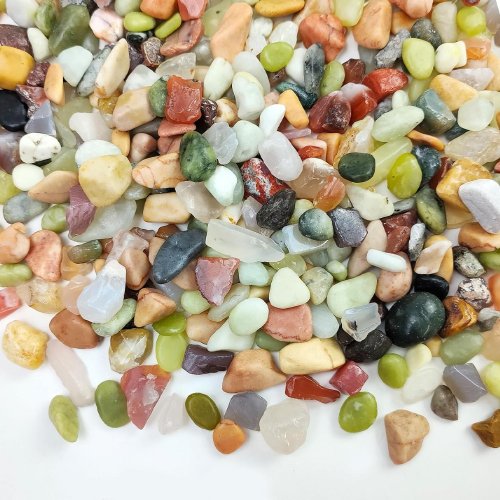
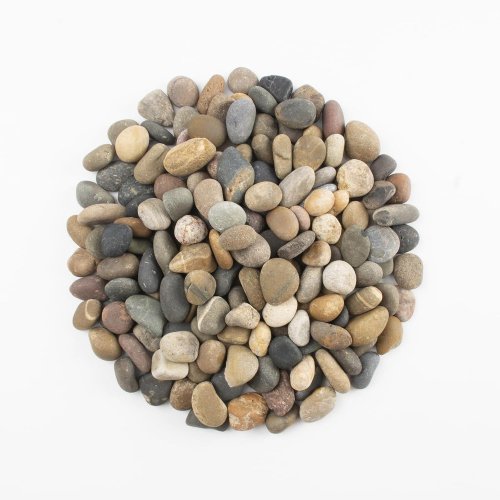
These decisions aren’t just fun—they’re genuinely creative exercises that strengthen your imaginative muscles. You’ll find yourself problem-solving in delightfully unconventional ways: “How can I make a miniature pond? Could that bottle cap work as a birdbath? What if I used aquarium gravel for a garden path?”
This creative freedom is especially valuable for adults who spend their days in structured, practical environments. A fairy garden becomes a judgment-free zone where the only rule is “does this spark joy?”
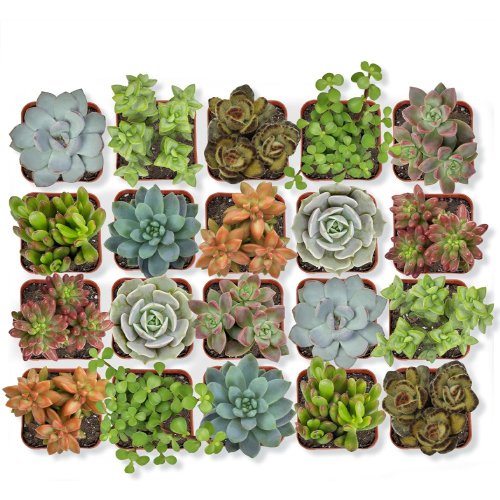
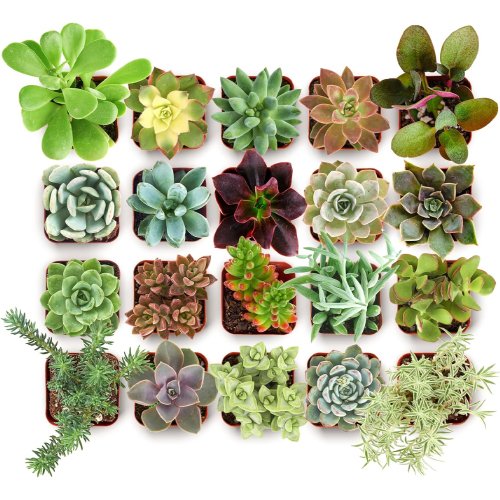
Fairy gardens foster an unusually intimate relationship with the natural world. Working at such a small scale, you’ll notice things that typically escape attention: the delicate veining in a succulent leaf, the way moss grows differently in sun versus shade, how certain plants attract specific insects.
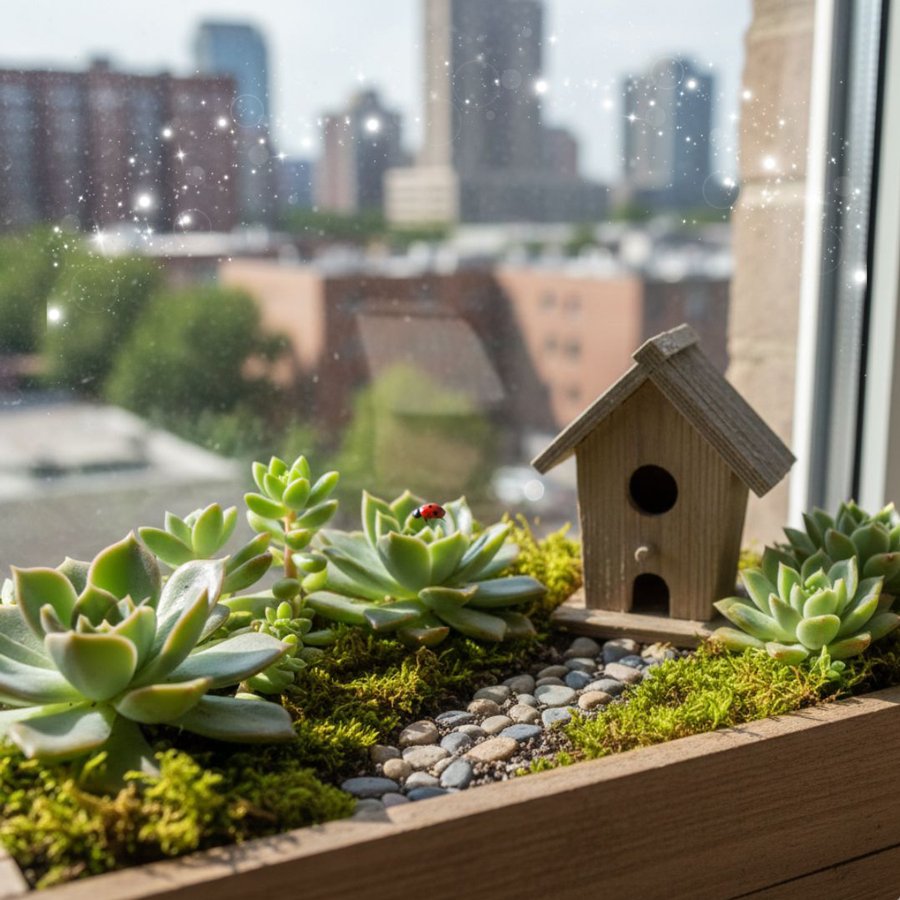
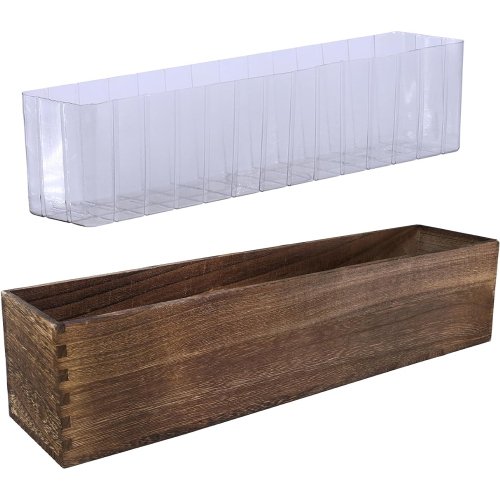
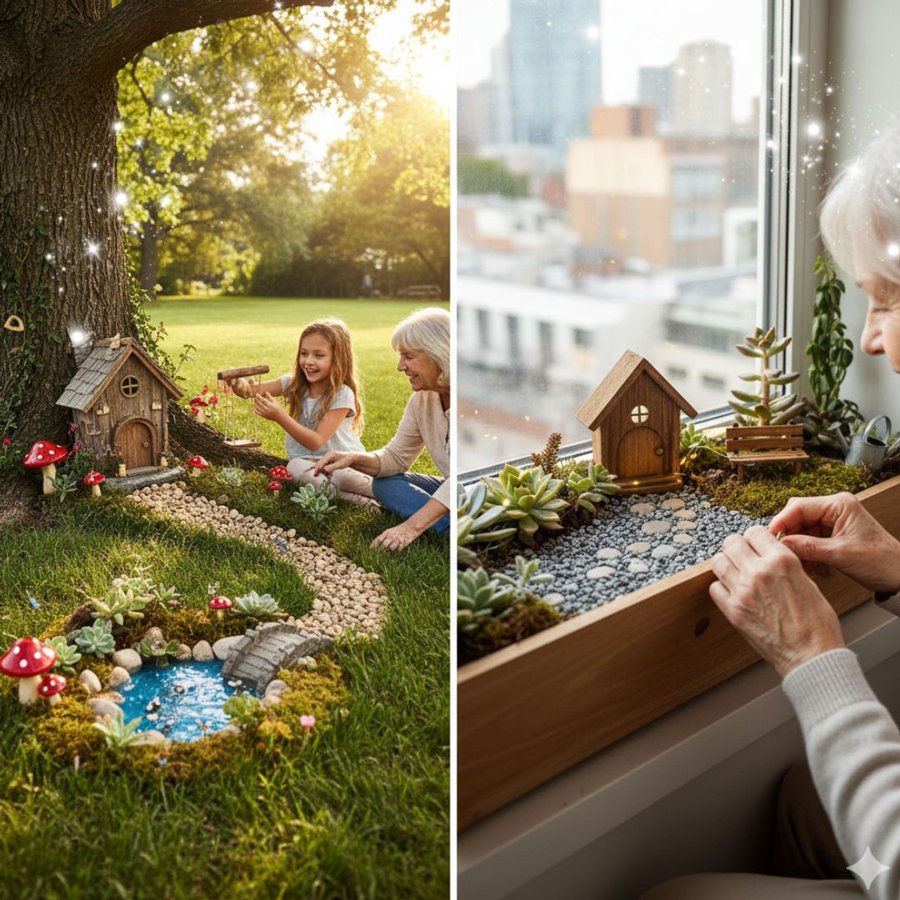
For apartment dwellers or those with limited outdoor space, fairy gardens make nature accessible. A container fairy garden on a balcony or windowsill can provide that vital green connection even in the heart of a city. You’re not just creating decoration; you’re cultivating a living ecosystem, however tiny.
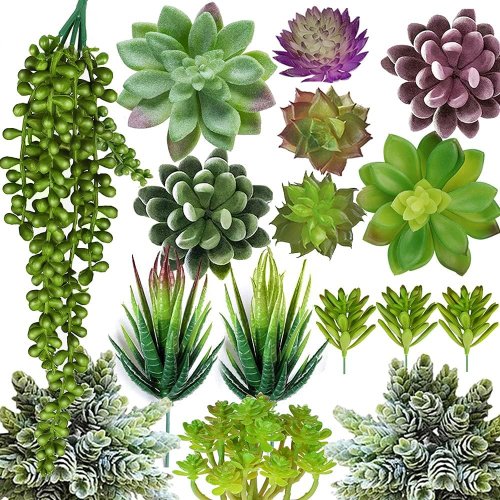
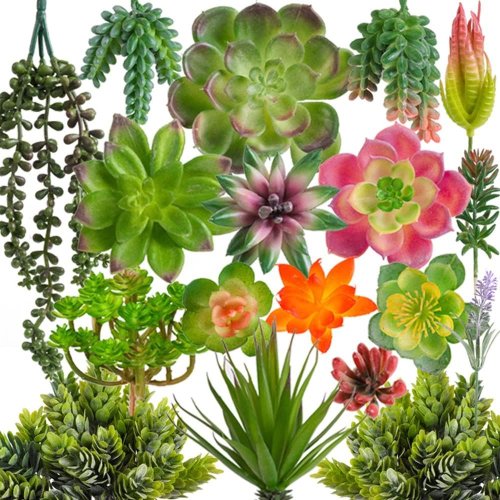
One of fairy gardening’s greatest strengths is its flexibility. Mobility limitations? Create your garden in a raised container at a comfortable height. Working with children? Let them design their own fairy world while you supervise. Want a low-maintenance option? Choose hardy succulents and minimal accessories. Prefer something more elaborate? Incorporate miniature lighting, water features, and intricate hardscaping.
Fairy gardens also offer intergenerational bonding opportunities. Grandparents and grandchildren, parents and teens—all can find common ground in building these magical spaces together. The shared project creates conversations, teaches patience and planning, and results in something beautiful you’ve made as a team.
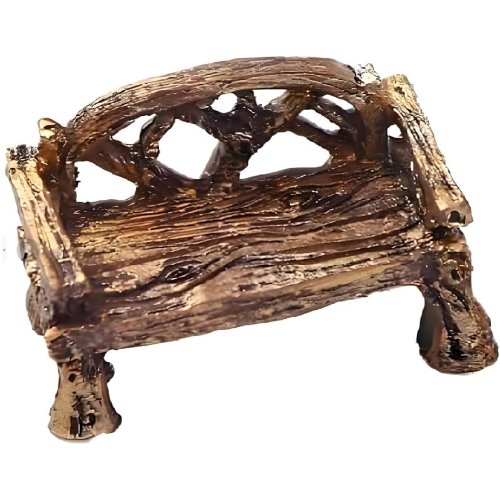
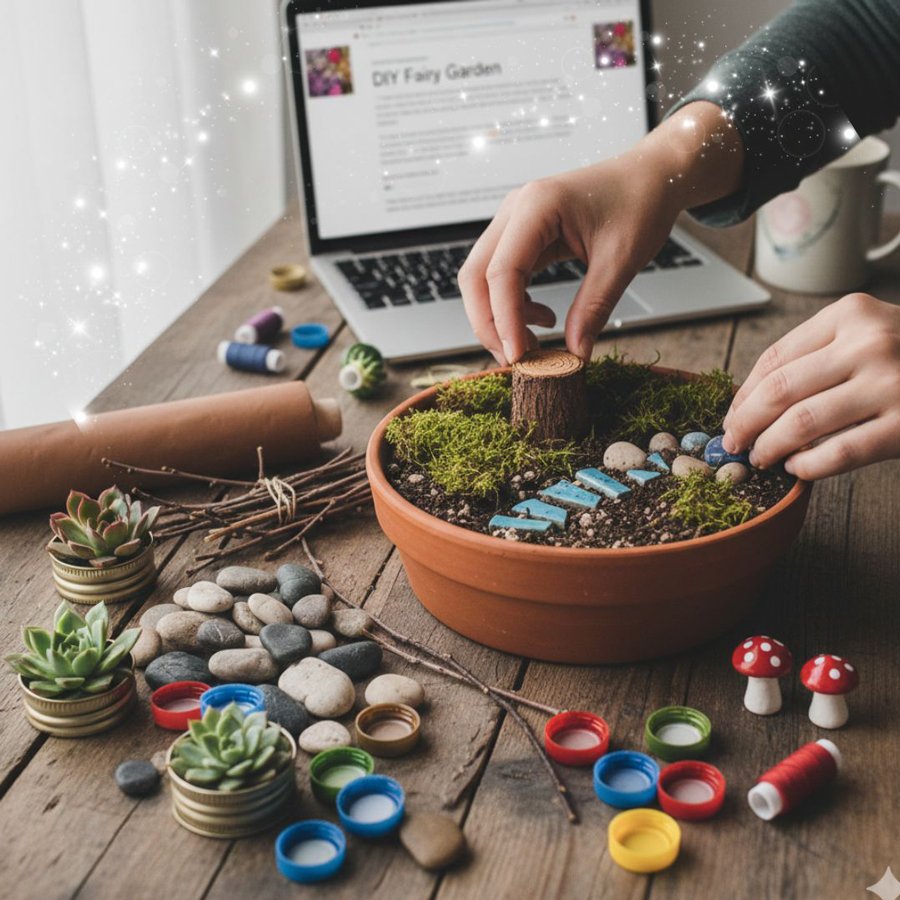
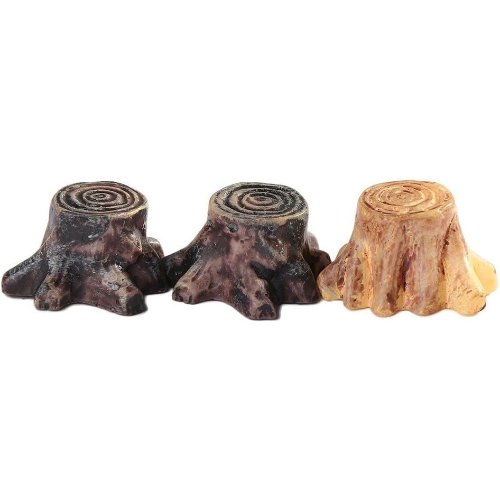
Unlike many hobbies that require significant investment, fairy gardens can be as economical as you choose. Scour dollar stores for miniature items, repurpose household objects (wine corks become tree stumps, broken pottery becomes fairy steps), and propagate plants from cuttings. The internet brims with DIY tutorials for crafting your own accessories from air-dry clay, twigs, and pebbles.
This budget-friendly aspect also means you can experiment freely without fear of costly mistakes. If a design isn’t working, you can easily rearrange or start fresh.
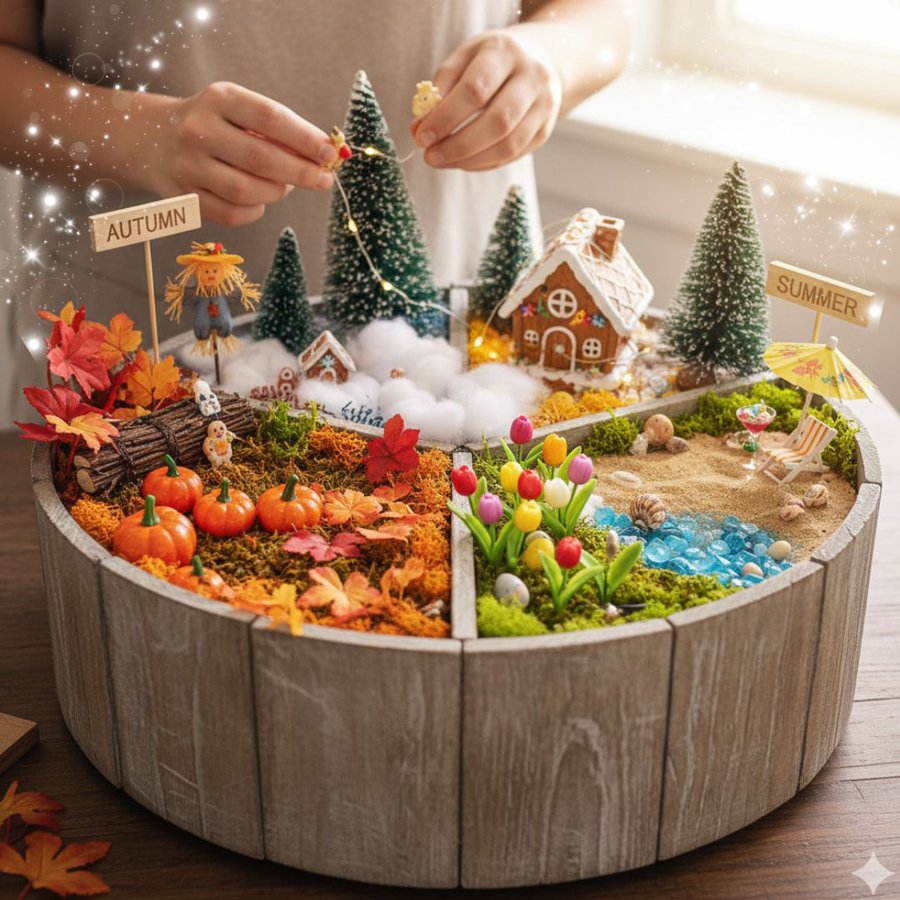
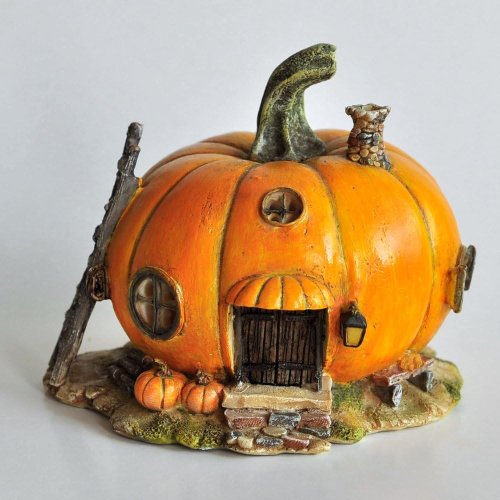
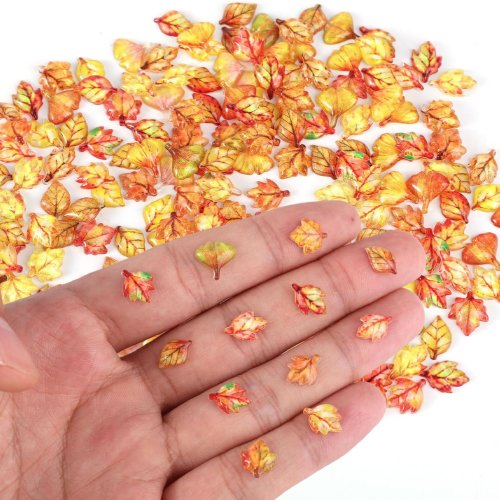
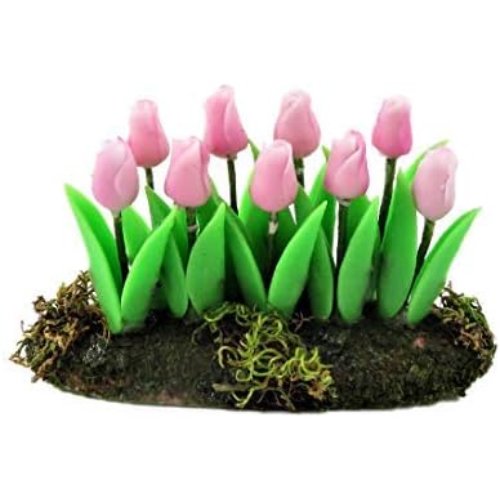
A fairy garden is never truly finished—it’s an evolving canvas that changes with the seasons. Add tiny pumpkins and autumn leaves in fall, miniature snow-dusted evergreens in winter, spring bulbs and Easter eggs as the weather warms, and beach accessories for summer. This seasonal rotation keeps the hobby engaging year-round and gives you something to look forward to as the calendar turns.
Some enthusiasts even create holiday-specific scenes: Halloween haunted fairy houses, Christmas fairy villages, or springtime fairy weddings. The possibilities are genuinely endless.
Mental health professionals increasingly recognize the therapeutic value of gardening, and fairy gardens offer these benefits in an accessible format. The combination of creative expression, gentle physical activity, care-taking responsibility, and nature connection addresses multiple aspects of well-being simultaneously.
For individuals dealing with anxiety, the controlled environment of a fairy garden provides a sense of mastery and agency. For those experiencing grief or transition, tending something small and beautiful can offer comfort. For anyone feeling disconnected, these miniature worlds remind us that magic—or at least, wonder—still exists if we know where to look.
Creating Your Own Enchanted Space
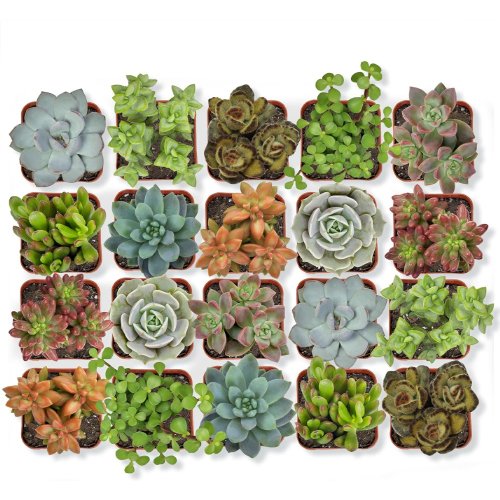
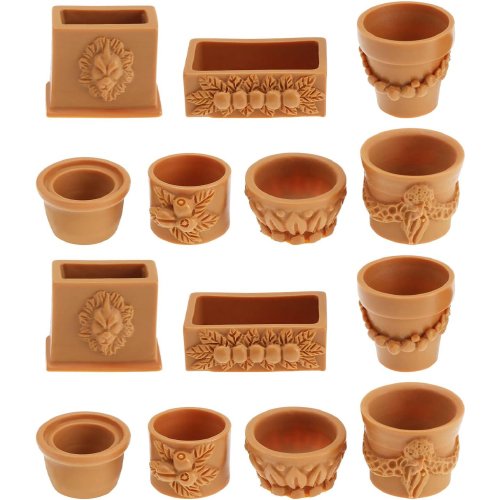
Starting a fairy garden requires nothing more than a container (or a corner of your yard), some potting soil, small plants suited to your light conditions, and a few miniature accessories. Begin simply—you can always add more elements as your vision develops.
The real magic of fairy gardens isn’t in the tiny furniture or the perfectly placed plants, though those are delightful. It’s in the permission they give us to imagine, to tend, to create beauty at a scale we can hold in our hands. In cultivating these small paradises, we’re really cultivating something within ourselves: patience, creativity, wonder, and that increasingly rare commodity—the ability to play.
So whether you’re seven or seventy, whether you have a sprawling backyard or just a sunny windowsill, consider creating a fairy garden. You might be surprised by how much joy—and benefit—such a small thing can bring to your life. After all, the best magic often comes in the tiniest packages.
In the News from Teelie’s Fairy Garden
Teelie’s Fairy Garden has officially released a new feature article, The Magic of Miniature: Why Creating a Fairy Garden Is Good for Your Soul.
This enchanting piece explores how fairy gardening encourages mindfulness, creativity, emotional wellness, and a deeper connection to nature — all through the simple joy of creating a tiny magical world.
Just a disclaimer – We have partnered with these companies because we use their products and/or proudly trust and endorse them – so we do receive a commission if you make a purchase or sign up for services. Often, we are able to negotiate special discounts and/or bonuses, which we will pass on to you via our links. We often get short notice on sale items available for 24-48 hours as we will pass these savings onto you.
Meet TwinkleWing – The Fairy Behind the Blogs!
This is TwinkleWing, the joyful and clever fairy who writes all the whimsical blogs on Teelie’s Fairy Garden! With her love for nature, sparkle, and storytelling, she brings magical updates, fairy gardening tips, seasonal fun, and behind-the-scenes fairy moments to life.
Whenever you read a blog post filled with fairy charm — chances are, TwinkleWing was fluttering at the keyboard with her glittery pen in hand!
Sign up to learn what's new in Teelie's Fairy Garden and at Tommy Tinker's Store. The Wee Folks are involved in many magical projects and this is a great way to ensure you don't miss out on learning about them.
Thank you for subscribing!
You have successfully subscribed to our list. You will receive an email for confirmation.